What is Deposit Fraud?

Deposit fraud abuses the funding side of accounts—non‑authentic or unauthorized deposits that are either quickly withdrawn or used to initiate credits and refunds. Methods are as varied as stolen bank credentials faking ACH credits, bogus check images in RDC flows, or card‑based top‑ups that will be disputed later. The objective is float, speed, and obfuscation.

Red flags: first‑day funding from high‑risk corridors, rapid movement against a cleared deposit, disconnect between device history and the beneficiary info, recurring returns by SEC code or bank. Also common is a request for a refund to a different instrument than the original top‑up—typical money‑movement red flag.
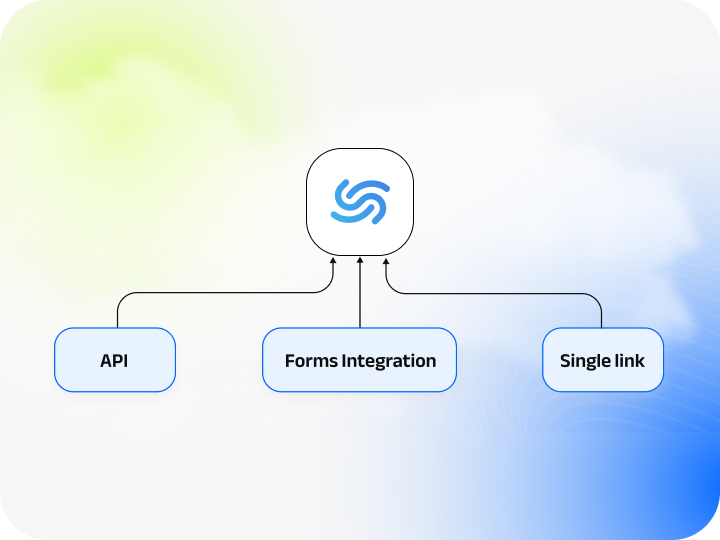

powered by kycaid

Transform your KYC & AML journey

Experience seamless and efficient customer verification with KYCAID

Controls: verify account ownership on first use, throttle new payees and first‑time devices, and hold until the heat dissipates. For checks, require minimum image quality and duplicate detection along with deposit limits by account age. Correlate refunds to the original auth. Upon rising exposure, reward the users with best identity verification and associate the program to a risk‑based strategy aligned to AML compliance. Treat deposits like a credit product—with limits, telemetry, and rapid review—not an intake pipe to blindly trust.

If money “magically” appears, think someone worked hard to make it look that way.

What is Deposit Fraud?

Deposit fraud abuses the funding side of accounts—non‑authentic or unauthorized deposits that are either quickly withdrawn or used to initiate credits and refunds. Methods are as varied as stolen bank credentials faking ACH credits, bogus check images in RDC flows, or card‑based top‑ups that will be disputed later. The objective is float, speed, and obfuscation.

Red flags: first‑day funding from high‑risk corridors, rapid movement against a cleared deposit, disconnect between device history and the beneficiary info, recurring returns by SEC code or bank. Also common is a request for a refund to a different instrument than the original top‑up—typical money‑movement red flag.

Controls: verify account ownership on first use, throttle new payees and first‑time devices, and hold until the heat dissipates. For checks, require minimum image quality and duplicate detection along with deposit limits by account age. Correlate refunds to the original auth. Upon rising exposure, reward the users with best identity verification and associate the program to a risk‑based strategy aligned to AML compliance. Treat deposits like a credit product—with limits, telemetry, and rapid review—not an intake pipe to blindly trust.

If money “magically” appears, think someone worked hard to make it look that way.

The website uses cookies

This website uses cookies to improve user experience. By using our website you consent to all cookies in accordance with our Cookie Policy.

Privacy Preference Center

We use cookies to improve the functionality of our site, while personalizing content and ads. You can enable or disable optional cookies as desired. For more detailed information about the cookies we use, see our Cookie Policy

Menage cookies