What is Financial Action Task Force?

Financial Action Task Force (FATF) is the global standard‑setter for anti‑money‑laundering and counter‑terrorist financing. It writes the 40 Recommendations, runs mutual evaluations, and flags weak jurisdictions via grey/black lists that move markets overnight. Programs that ignore FATF principles pay in de‑risking, correspondent friction, and headlines. The “2fb28” tag here—think of it as an internal slug, the topic stands: FATF frames the risk‑based approach most regulators expect.

What FATF wants from you: identify and verify customers, understand beneficial ownership, monitor transactions, report suspicious activity, and screen names tied to sanctions or terrorism. For crypto and payments, the Travel Rule and VASP guidance pull new actors into the net. Risk isn’t one size—products, geographies, and counterparties shift the bar.
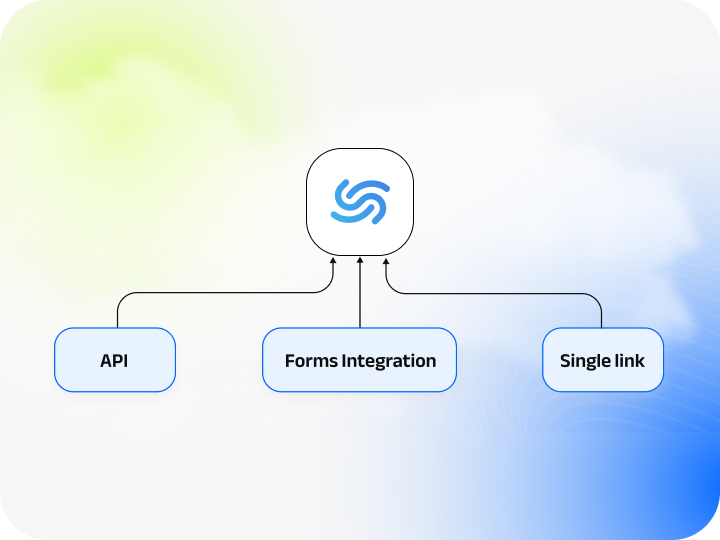

powered by kycaid

Transform your KYC & AML journey

Experience seamless and efficient customer verification with KYCAID

Execution is boring by design—documented policies, control testing, and evidence you can show without flinching. Map your program to a risk‑based AML compliance framework; keep name‑risk guardrails with sanctions & PEP screening. When mutual evaluation season hits your country, expect banks and PSPs to tighten quickly. Build now, not during a remediation scramble.

Short take: FATF doesn’t regulate directly; it shapes the regulators who do. Learn the shape—and fit it.

What is Financial Action Task Force?

Financial Action Task Force (FATF) is the global standard‑setter for anti‑money‑laundering and counter‑terrorist financing. It writes the 40 Recommendations, runs mutual evaluations, and flags weak jurisdictions via grey/black lists that move markets overnight. Programs that ignore FATF principles pay in de‑risking, correspondent friction, and headlines. The “2fb28” tag here—think of it as an internal slug, the topic stands: FATF frames the risk‑based approach most regulators expect.

What FATF wants from you: identify and verify customers, understand beneficial ownership, monitor transactions, report suspicious activity, and screen names tied to sanctions or terrorism. For crypto and payments, the Travel Rule and VASP guidance pull new actors into the net. Risk isn’t one size—products, geographies, and counterparties shift the bar.

Execution is boring by design—documented policies, control testing, and evidence you can show without flinching. Map your program to a risk‑based AML compliance framework; keep name‑risk guardrails with sanctions & PEP screening. When mutual evaluation season hits your country, expect banks and PSPs to tighten quickly. Build now, not during a remediation scramble.

Short take: FATF doesn’t regulate directly; it shapes the regulators who do. Learn the shape—and fit it.

The website uses cookies

This website uses cookies to improve user experience. By using our website you consent to all cookies in accordance with our Cookie Policy.

Privacy Preference Center

We use cookies to improve the functionality of our site, while personalizing content and ads. You can enable or disable optional cookies as desired. For more detailed information about the cookies we use, see our Cookie Policy

Menage cookies